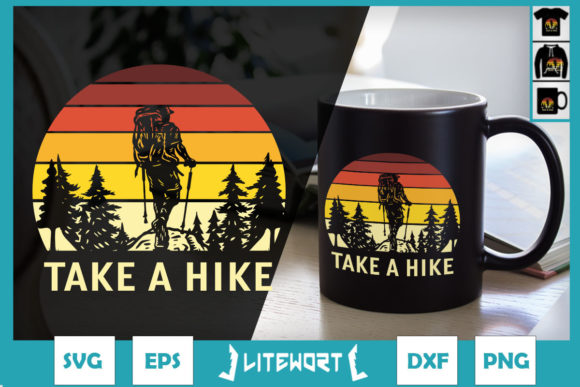
Take a Hike Retro Hiking Backpacking
A Designer’s First Look: Nostalgia with Stitching Intent
When I opened the Take a Hike Retro Hiking Backpacking embroidery file, I didn’t just see shapes—I saw context. The bold sans-serif “TAKE A HIKE” sits above a stylized backpack, compass rose, and trail marker in clean, mid-century-inspired lines. It’s cheerful but not cutesy, outdoorsy without leaning into cliché, and retro without feeling dated. As a designer who’s stitched hundreds of logos, patches, and custom apparel pieces, I immediately asked: *Where would this live best—and where might it struggle?*
Real-World Test: Embroidering It on a Linen-Cotton Tote Bag
Last week, I used Take a Hike Retro Hiking Backpacking for a small-batch order: 12 custom tote bags for a local hiking co-op’s annual trail day. I chose medium-weight natural linen-cotton blend—textured enough to feel artisanal, stable enough for clean stitching. With a standard 4x4 hoop and medium-cutaway stabilizer, the design stitched cleanly. The lettering held crisp edges, and the compass details read clearly at 3.5" wide. Customers loved the tactile warmth of the satin-stitched outline and the subtle fill stitch in the backpack’s straps. It felt handmade—not mass-produced—and that mattered for their boutique branding.
Where This Design Shines (and Where It Needs Caution)
Take a Hike Retro Hiking Backpacking works beautifully on:
- Custom apparel: Sweatshirts, crewnecks, and unisex tees—especially when placed on the left chest or back yoke.
- Embroidered patches: Its strong silhouette and balanced negative space make it ideal for sew-on or iron-on patches on denim jackets or caps.
- Tote bag design and apron embroidery: The horizontal layout fits well across flat, stable surfaces.
- Holiday embroidery and wedding gifts: Think “trail mix” favors for outdoor weddings or personalized baby items (“Future Hiker”) on onesies—just scale down thoughtfully.
- Craft business and Etsy seller use: It’s distinctive enough to stand out in search results but broad enough to appeal across age groups and aesthetics.
But here’s where I slowed down:
- Small hoop sizes: Below 3", the compass rose and tiny trail markers lose definition. Don’t force it into a 2x2 hoop unless you’re willing to simplify by hand-editing the file.
- Stretchy fabric: On lightweight knits or baby jersey, the lettering can distort without proper tear-away + cutaway combo stabilizer.
- Dark fabric: The design relies on contrast. On charcoal or navy, avoid light thread unless you add underlay or switch to tonal stitching for subtlety.
- Curved surfaces: Caps and beanies compress the top and bottom of the layout. Test stitch on a cap blank first—the backpack shape may flatten awkwardly.
- Frequent-wash items: Like tea towels or baby bibs, where dense satin stitches may abrade over time. Consider switching key outlines to running stitch for durability.
Design Assets That Support Real Workflow
The included SVG, PNG, DXF, and EPS files aren’t just format variety—they’re workflow insurance. I used the SVG to resize precisely in my embroidery software, the PNG for quick mockups in Canva, and the EPS when prepping a vector-based shop banner. As a digital product seller myself, I appreciate that these formats let me adapt Take a Hike Retro Hiking Backpacking across platforms—whether I’m building an Etsy listing, creating a printable mockup for clients, or bundling it with other Graphics in a themed craft collection.
What It Adds to Your Finished Product—Beyond the Stitch
This isn’t just a machine embroidery design—it’s a tone-setter. When stitched onto a canvas apron for a mountain-town coffee roaster, it quietly signals values: authenticity, adventure, simplicity. That builds customer trust. When placed on a personalized gift—say, a sweatshirt for a friend’s first thru-hike—it elevates giftability and emotional resonance. And for a small shop product, its clear visual hierarchy and consistent spacing support brand consistency, even if it’s used alongside other designs.
Practical Embroidery Designer Notes (From My Sewing Table)
Before using Take a Hike Retro Hiking Backpacking in your next project, do these five things:
- Test on scrap fabric—same weight and weave as your final piece—to check stitch density and thread tension.
- Review thread colors against your base fabric in natural light; what reads bold on screen may mute on textured linen.
- Confirm hoop size matches your machine’s capability and the design’s widest dimension—no guessing.
- Inspect small corners (like the compass points) for pull-through or skipped stitches at low density.
- Check licensing before selling finished items or reselling the digital embroidery file—this is a Crafts-category asset, and usage rights vary by seller.
Final Thought: Not Just a Graphic—A Conversation Starter
I’ve used dozens of hiking-themed embroidery files, but Take a Hike Retro Hiking Backpacking stands out because it doesn’t shout “outdoors.” It invites. It fits naturally on a pillow cover beside a reading nook, on a baby’s organic cotton blanket, or stitched subtly on the hem of a women’s hiking skirt. It balances charm with clarity—and in embroidery, that balance is where professionalism meets heart. Whether you’re an Etsy seller building a cohesive line, a craft business owner sourcing reliable design assets, or a hobbyist making something meaningful, this one earns its place in your library. Just remember: stitch it with intention, stabilize with care, and let the retro warmth speak for itself.