Happy Christmas Day: A Designer’s Real-World Embroidery Review
First Impressions: Cheerful, Clean, and Commercially Smart
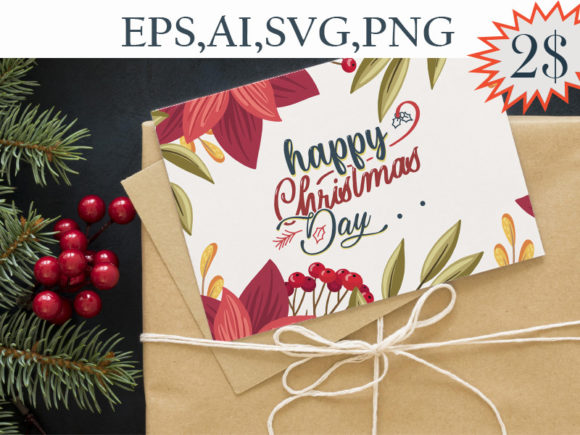
When Happy Christmas Day landed in my inbox, I opened it not as a buyer—but as someone who’s stitched holiday designs on everything from newborn onesies to boutique aprons. My first thought? This isn’t just festive fluff. It’s got rhythm: balanced letter spacing, soft curves in the “H” and “D”, and that gentle upward tilt in “Day” that feels like a smile. The design breathes—it doesn’t crowd itself. That matters more than most crafters realize. In embroidery, negative space isn’t empty; it’s breathing room for stitches to land cleanly and fabric to lie flat.
Real Project Test: A Holiday Tote Bag for Our Local Craft Fair Booth
Last week, I prepped three tote bags for our holiday pop-up—cotton canvas, medium weight, natural unbleached. I chose Happy Christmas Day for the front panel, centered just below the top seam. Why? Because it scaled beautifully at 4.2 inches wide—large enough to read from across the booth, but not so big it overwhelmed the bag’s shape. No stretching, no puckering. The letterforms held crisp edges even with standard polyester thread and tear-away + cutaway stabilizer combo. Customers paused. Smiled. Said, “That’s *us*—warm, not kitschy.” That’s the quiet power of intentional design: it communicates before you speak.
Where It Shines (and Where It Asks for Extra Care)
Happy Christmas Day excels in projects where clarity and charm coexist:
- Custom apparel: Works cleanly on sweatshirts (especially chest placement), crewneck tees, and lightweight hoodies—provided the fabric isn’t overly stretchy or napped.
- Baby embroidery: Gentle proportions and open letterforms make it ideal for onesies and burp cloths—no tiny serifs to snag or dense fill areas that stiffen delicate cotton.
- Embroidered patches: Its clean silhouette and moderate height translate well into sew-on or iron-on patches for backpacks, denim jackets, or gym bags.
- Holiday gifts & boutique products: Looks equally at home on kitchen towels, pillow covers, and linen napkins—especially when paired with subtle tone-on-tone stitching.
But—and this is where experience kicks in—Happy Christmas Day needs thoughtful pairing. Avoid it on:
- Curved surfaces like structured caps (the “g” and “y” may distort without careful digitizing adjustments);
- Thin or sheer fabrics (like voile or lightweight rayon) unless backed with firm stabilizer—the open letter shapes can telegraph backing;
- Dark, textured fabrics (e.g., heavy terry cloth or bouclé) where fine satin-stitched edges might blur visually;
- Products meant for frequent washing (think kids’ lunch bags or reusable water bottle sleeves) unless stitch density has been verified—dense fills hold up better than sparse running-stitch outlines over time.
What It Does for Your Craft Business—Beyond the Stitch
As an Etsy seller and small shop owner, I don’t just ask, “Will this stitch?” I ask, “Will this sell?” Happy Christmas Day supports brand consistency—not by being flashy, but by being reliably legible and warmly human. It reads instantly, even in thumbnail mockups. That boosts click-through on digital listings. It photographs well in natural light, which means less editing time for your handmade product shots. And because it avoids overused clipart tropes (no snowmen wearing top hats, no glitter gradients), it feels like a *designer’s choice*—not a default download. That builds customer trust: buyers sense intention, not automation.
For embroidery designers building a library of machine embroidery design assets, Happy Christmas Day is a versatile anchor piece. Pair it with simple foliage motifs or minimalist stars for layered holiday collections—or use it solo for clean, modern holiday branding. It holds up in both color and black-and-white printable mockups, making it easy to preview on mugs, laptop sleeves, or car decals—even though its true strength lies in thread-on-fabric execution.
Practical Designer Notes Before You Stitch
Before committing to your first run—whether for a client order, holiday batch, or Etsy listing—here’s what I do every time:
- Test on scrap fabric first, using the exact stabilizer and thread colors you’ll use in production;
- Check contrast: Try it in white thread on navy cotton and navy thread on cream linen—some letterforms read differently depending on background value;
- Review stitch density: If your version includes fill-stitch areas (like solid letter bases), confirm they’re not overly dense for lightweight fabrics;
- Confirm hoop size compatibility: Measure the design’s widest point against your most-used hoop—no last-minute re-hooping mid-project;
- Inspect small details: Zoom in on the junctions—where “r” meets “i”, or the tail of “y”—to ensure no stray vector points or overlapping paths;
- Use proper stabilizer: Medium-weight cutaway works best for stable results on knits and wovens alike;
- Verify licensing: Since this is listed under Graphics and Crafts, double-check whether commercial use (e.g., selling embroidered totes or digital bundles) is permitted—don’t assume;
- Compare light/dark backgrounds: Run quick grayscale mockups to assess readability if offering multiple fabric options.
Final Thought: A Design That Serves the Maker—and the Moment
Happy Christmas Day isn’t just another holiday graphic. It’s a quietly confident tool—designed for real hands, real machines, real customers, and real deadlines. It doesn’t shout. It welcomes. Whether you’re embroidering a personalized gift for a neighbor, stocking a boutique shelf, or building a seasonal digital embroidery file collection, this design earns its place by doing its job well: delivering joy, legibility, and craftsmanship—without asking for extra work. That’s rare. And that’s why it stays in my active project folder.