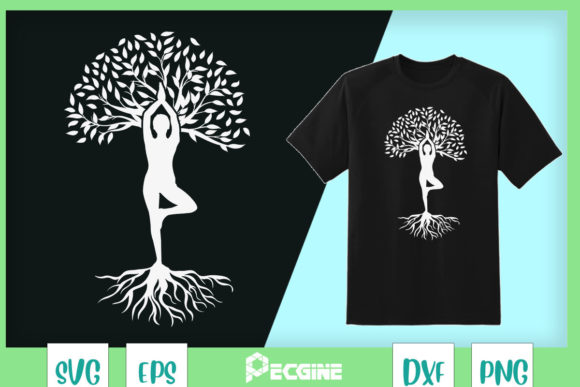
Meditation Yoga - Spiritual Therapy
A Calm, Centered First Impression—But Does It Stitch Cleanly?
When I opened the Meditation Yoga - Spiritual Therapy files for the first time, I felt the quiet intention behind them—soft curves, balanced negative space, and a gentle fusion of lotus, mandala, and minimalist figure elements. It’s not flashy or trendy; it’s grounded. That mood is exactly what makes it promising for real-world embroidery projects—especially when you’re stitching for someone seeking peace, mindfulness, or intentional self-care. But mood alone doesn’t stitch. So I tested it—not in theory, but on actual fabric: a medium-weight organic cotton tote bag destined for a local yoga studio’s gift shop.
Where This Design Truly Belongs
Meditation Yoga - Spiritual Therapy shines brightest on pieces where serenity reads as sincerity—not decoration. Think: unbleached linen pillow covers for meditation nooks, heather-gray sweatshirts for wellness retreat staff, or baby onesies with subtle chest embroidery (no dense fills near delicate neck seams). It also works beautifully as an embroidered patch—clean lines hold up well when cut and fused—and translates smoothly to tea towels and aprons where texture matters more than sharp detail. As a T-Shirt Designs asset, it avoids overloading the chest or sleeve; its open layout breathes on knit fabrics without pulling or puckering.
What Holds Up—and What Needs Extra Care
The design’s strength lies in its restraint. There are no ultra-thin stems, micro-lettering, or nested satin-stitch borders that vanish under thread tension. That said, its circular motifs and layered petals rely on consistent stitch density—if your machine defaults to high-density fill stitches, test on scrap first. On textured fabrics like terry cloth or bouclé, simplify by reducing fill layers or switching outer elements to running stitch outlines. For dark fabric, avoid light thread unless you’ve added lightweight stabilizer underneath—the design’s openness means thread coverage matters more than in busier graphics.
On curved surfaces like caps or baby hats? Proceed thoughtfully. The central motif is symmetrical and compact enough to hoop cleanly in a 4” round hoop—but avoid placing it too close to the bill seam or crown point unless you’ve verified how the design flows across the curve in a printable mockup. And for stretchy fabric—think ribbed knits or performance tees—use cutaway + tear-away combo stabilizer. The design doesn’t have aggressive angles that fight elasticity, but its balance depends on even fabric support.
How It Shapes Perception—Before and After Stitching
Customers don’t buy “a yoga graphic.” They buy intention, care, and resonance. When Meditation Yoga - Spiritual Therapy lands cleanly on a handmade product, it elevates perceived value—not because it’s complex, but because it feels considered. A client told me her customers paused mid-browse to touch the embroidered lotus on a linen tote, saying, “It feels like it was made *for* this moment.” That’s brand consistency rooted in execution, not just concept.
Conversely, if stitched too densely or on unstable fabric, the same design can flatten into visual noise—losing its spiritual softness and reading as generic instead of meaningful. That directly impacts buyer engagement, especially for Etsy sellers and small shop owners who rely on emotional connection over mass-market appeal.
Real-World Designer Notes You Can’t Skip
- Always test on scrap fabric first—especially if using it for baby embroidery or holiday embroidery where wash durability matters.
- Check thread color contrast in both black-and-white and full-color mockups. This design relies on tonal harmony, not contrast alone.
- Review stitch density settings before hooping. If your embroidery software shows >12,000 stitches, consider simplifying outer layers.
- Confirm hoop size compatibility. Though compact, verify alignment points work with your frame—some DXF/EPS imports shift slightly.
- Inspect small details at 200% zoom in your editing software. The lotus center and seated figure silhouette should remain legible at 3.5” wide.
- Compare how it looks on light vs. dark backgrounds using PNG previews—this helps choose thread colors before stitching.
- Use proper stabilizer: medium-weight cutaway for knits, tear-away for stable wovens, and fusible + tear-away for patches.
- Verify licensing terms before selling finished products or digital embroidery files—this Graphics package includes SVG, PNG, DXF, and EPS, but commercial use rights aren’t implied by file type alone.
Final Thought: A Design That Rewards Intentional Use
Meditation Yoga - Spiritual Therapy isn’t a “plug-and-play” embroidery file—it’s a thoughtful starting point. It rewards designers who slow down: who test stabilizers, adjust density, and match thread to fabric grain rather than default settings. I used it for a set of matching embroidered pillow covers and kitchen towels for a boutique’s spring collection—and every customer asked about the story behind the design, not just the stitch count. That’s the mark of a strong machine embroidery design: it invites pause, invites meaning, and stays true through the needle. Whether you're a craft business owner building a cohesive line or a hobbyist making personalized gifts, this one earns its place—not because it’s easy, but because it’s quietly, confidently right.