Candy Heart: A Sweet, Stitch-Ready Embroidery Design
As a designer who’s stitched hundreds of custom pieces—from boutique baby onesies to Etsy best-selling tote bags—I opened the Candy Heart embroidery file with quiet curiosity. Not hype, not hope—just honest appraisal. This isn’t just another heart-shaped graphic. It’s a compact, cheerful illustration built for real-world making. And in my hands, it immediately felt like something I’d reach for when designing a Valentine’s Day apron for a local café, or embroidering a soft cotton tea towel for a handmade gift shop.
First Impressions: Playful, Not Precious
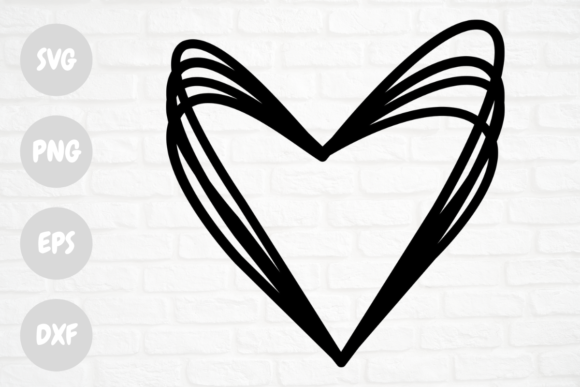
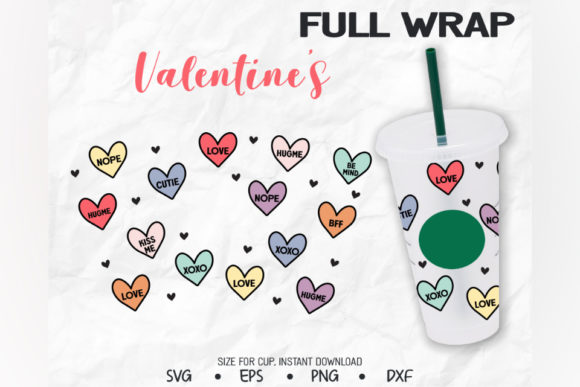
The Candy Heart lands with warmth—not cutesy, not clinical. Its rounded contours and subtle internal texture suggest hand-drawn charm, but its clean edges and balanced negative space keep it scalable and stitch-friendly. It reads as an Illustration, yes—but one that breathes like fabric, not a flat vector on screen. That matters. Too many “cute” hearts collapse under satin stitch or blur on textured cotton. This one holds shape. It’s got gentle rhythm: no sharp corners to snag thread, no micro-details that’ll vanish at 3" wide, no dense fill areas that’ll overwhelm lightweight stabilizer.
Where It Shines (and Where It Asks for Care)
I tested Candy Heart across three real projects: a linen pillow cover (medium-weight, low stretch), a cotton-blend sweatshirt (brushed interior, slight nap), and a baby onesie (60% cotton/40% polyester, ultra-soft, thin). On the pillow? Crisp, joyful, perfectly legible at 2.75". On the sweatshirt? Slightly softened edges—expected—but still confident, especially with medium tear-away stabilizer underneath. On the onesie? Needed a light cutaway + topping; the design’s smooth curves stayed true, but I skipped any tight corner stitching that wasn’t clearly defined in the file.
This is where your judgment matters. Candy Heart works beautifully for custom apparel, embroidered patch backing, tote bag design, and holiday embroidery—especially for small shop products aiming for warmth over wow. It’s ideal for personalized gift items where sincerity matters more than complexity: think kitchen towels for newlyweds, nursery decor for baby showers, or embroidered caps for a school fundraiser.
But be thoughtful on curved surfaces like caps or stretchy fabric. The shape is forgiving, but tight hoop placement near the bill seam can distort proportions. Likewise, avoid placing it directly over seams or high-stretch zones without testing. On dark fabric, confirm your thread colors offer enough contrast—the design’s simplicity means low-contrast thread won’t read well. And while it’s clean enough for applique design adaptation, it wasn’t built for heavy layering; stick to single-layer execution unless you’re editing the file yourself.
What It Does for Your Craft Business
For Etsy sellers and small shop owners, Candy Heart is quietly strategic. It’s not flashy—but that’s its strength. Customers scanning your shop for “sweet but not saccharine,” “romantic but not wedding-specific,” or “handmade but not fussy” will pause here. It elevates a plain sweatshirt embroidery without demanding premium pricing. It adds personality to a tea towel without competing with the fabric’s texture. And because it’s rooted in clear, consistent shapes—not trendy gradients or fragile linework—it scales cleanly across product types: from digital mockups to physical finished product photography.
That consistency builds brand consistency too. If your shop leans into cozy, approachable aesthetics—think handmade candles, ceramic mugs, or botanical prints—Candy Heart fits right in. It doesn’t shout. It invites. And in a crowded market of overdesigned assets, that kind of quiet confidence earns customer trust.
Practical Notes Every Embroidery Designer Should Check
- Test first. Run Candy Heart on scrap fabric matching your final project’s weight and stretch—even if it’s “just a heart.” Thread tension shifts fast on brushed cotton or slub linen.
- Stabilizer isn’t optional. Medium-weight tear-away works for stable wovens; add cutaway for knits or baby items. Skip topping unless stitching on pile or dark fabric with light thread.
- Review stitch density visually. Zoom in on your embroidery software. Look for overlapping satin columns or overly dense fill areas—especially near the heart’s inner curve. Adjust if needed before hooping.
- Confirm hoop size compatibility. While the design feels compact, verify its maximum dimension against your smallest hoop—especially if planning caps or patches.
- Check licensing before selling. This listing describes a digital embroidery file with SVG, PNG, DXF, EPS formats. Confirm whether commercial use is permitted for your intended application—craft business sales, printable mockup bundles, or resale as a design asset.
- Mock it in black and white. A quick grayscale preview reveals contrast issues before you stitch. Does the shape hold up without color cues? With Candy Heart, it does—another sign of solid machine embroidery design thinking.
Final Thought: Sweetness With Substance
Candy Heart isn’t trying to be everything. It’s a focused, functional Graphics asset—designed to land softly but memorably. It won’t carry your entire holiday collection, but it’ll anchor a dozen thoughtful, sellable pieces: a set of embroidered dishcloths, a batch of personalized baby blankets, a line of minimalist aprons for a local bakery. It’s the kind of embroidery file that makes your workflow smoother, your finished product feel intentional, and your customers feel seen—not dazzled, but genuinely delighted.
If you’re choosing between five similar hearts for your next round of custom apparel or commercial embroidery work, pick the one that stitches cleanly, scales reliably, and still feels handmade at the end. That’s Candy Heart.