Heart Doodle: A Designer’s Real-World Embroidery Review
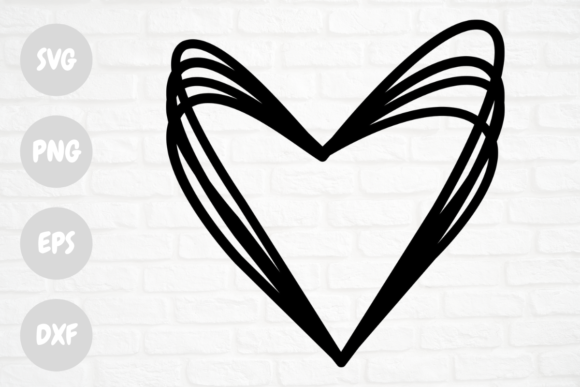
As someone who’s stitched hundreds of custom pieces—from boutique baby onesies to holiday market tote bags—I opened the Heart Doodle cut file with quiet curiosity, not hype. This isn’t a flashy script font or a hyper-detailed floral monogram. It’s a hand-drawn heart, loose and lyrical, with looping lines and a soft, unpolished charm. That first impression matters—especially when you’re choosing design assets for real embroidery projects that customers will hold, wear, and gift.
What Kind of Project Does Heart Doodle Naturally Belong In?
I sketched it out in my head before stitching: a linen tea towel for a bridal shower, a cotton apron for a small-batch bakery, a lightweight sweatshirt for a mom-and-pop coffee shop’s staff. The Heart Doodle doesn’t shout—it invites. Its rhythm feels handmade, not mass-produced, which makes it ideal for brands and makers who lean into authenticity over perfection. It’s not built for corporate logos or high-contrast athletic wear; it shines on natural fibers, relaxed silhouettes, and products meant to feel personal.
When I mocked it up as a small embroidered patch on a denim jacket sleeve (about 2.5" wide), the shape held its warmth without crowding the fabric. On a baby onesie? Yes—but only if placed thoughtfully: centered on the chest, not tucked near the shoulder seam where stretching distorts fine lines. As an applique design? It could work beautifully with a contrasting fabric base and clean satin stitch edges—but only if the background fabric is stable enough to support gentle curves without puckering.
Where Heart Doodle Performs—and Where It Needs Care
This is where experience kicks in. Heart Doodle has a light, open structure—no dense fill stitches, no tight corners or micro-details. That’s a strength for many applications, but also a cue to pause and plan.
- Small hoop sizes: At under 3", it fits comfortably in most standard hoops—even 4x4"—but test stitch first. Those looping lines can shift slightly on lightweight stabilizer if tension isn’t balanced.
- Textured or stretchy fabric: Avoid placing it directly over ribbed knits or jersey without extra cutaway stabilizer. The doodle’s flow relies on consistent surface tension—stretch distorts its personality.
- Dark fabric: Works well, but choose thread colors intentionally. A soft blush or heather gray thread reads more clearly than stark white on black, preserving its gentle tone.
- Curved surfaces (caps, tumblers): Not ideal here. The shape assumes a flat plane—curves flatten or stretch its loops unpredictably. Save it for flat goods: pillow covers, kitchen towels, greeting cards, or framed hoop art.
- Frequent washing: Since it’s likely low-stitch-density (running or outline-based), reinforce with tear-away + cutaway combo stabilizer on cotton or linen. Don’t rely on it for heavy-duty baby bibs or restaurant aprons unless you’ve verified durability in wash tests.
How It Shapes Your Finished Product—and Your Customer’s Experience
Embroidery isn’t just about what’s stitched—it’s about what’s felt. A customer buying a personalized gift notices texture, balance, and intention. Heart Doodle delivers that quietly. It doesn’t compete with the garment—it complements it. On a cream-colored tote bag, it reads as warm, considered, and human-made—not digital or generic. That builds trust, especially for Etsy sellers or craft fair vendors whose buyers choose handmade for emotional resonance.
For small shop owners building brand consistency, this design fits seamlessly into a “soft modern” aesthetic—think neutral palettes, organic shapes, minimal packaging. It pairs well with simple typography or other hand-drawn illustrations, making it easy to expand into a cohesive set of design assets. And because it’s clean and scalable, it translates smoothly into printable mockups for your listings—no pixelation, no guesswork.
Practical Notes Every Embroidery Designer Should Check Before Stitching
You wouldn’t skip pre-washing fabric—you shouldn’t skip these checks either:
- Test Heart Doodle on scrap fabric matching your final project’s weight and weave. Watch how those loops behave on your machine.
- Review stitch density visually in your embroidery software—if it’s purely outline-based, confirm thread coverage meets your standards for visibility at arm’s length.
- Check hoop size compatibility. Even if the design fits, does your machine handle the jump between loops smoothly? Some older models stutter on long, open runs.
- Inspect small details: Are any line ends too fine for your needle size? Could they fray or break on delicate fabrics like voile or silk-blend?
- Mock it up in both black and white. Does it retain character on dark backgrounds? Does it disappear on busy prints?
- Use proper stabilizer—especially for lightweight or loosely woven textiles. Skip this, and the doodle’s charm turns into wobble.
- Confirm licensing terms before selling finished items or bundling Heart Doodle into digital product kits. Since it’s categorized under Illustrations and Graphics, usage rights may vary for commercial embroidery versus resale of the file itself.
A Final Thought: Heart Doodle Is a Mood, Not Just a Shape
In a world of overdesigned, over-edited digital assets, Heart Doodle stands out by being quietly confident in its simplicity. It won’t dominate a garment—but it’ll make someone smile when they unfold their tea towel or reach for their favorite sweatshirt. That’s the quiet power of thoughtful design: it doesn’t need volume to carry meaning.
If you’re curating embroidery files for your craft business, building a seasonal collection, or selecting designs for client gifts, treat Heart Doodle as a versatile supporting player—not a headline act. Use it where warmth matters more than wow, where handmade presentation elevates everyday objects, and where your customers value feeling seen, not sold to.
And if you’re still deciding whether it fits your next project? Print a paper version, hold it against your fabric swatch, and ask yourself: “Does this feel like *mine*?” If the answer is yes—that’s when you know it’s ready to stitch.